
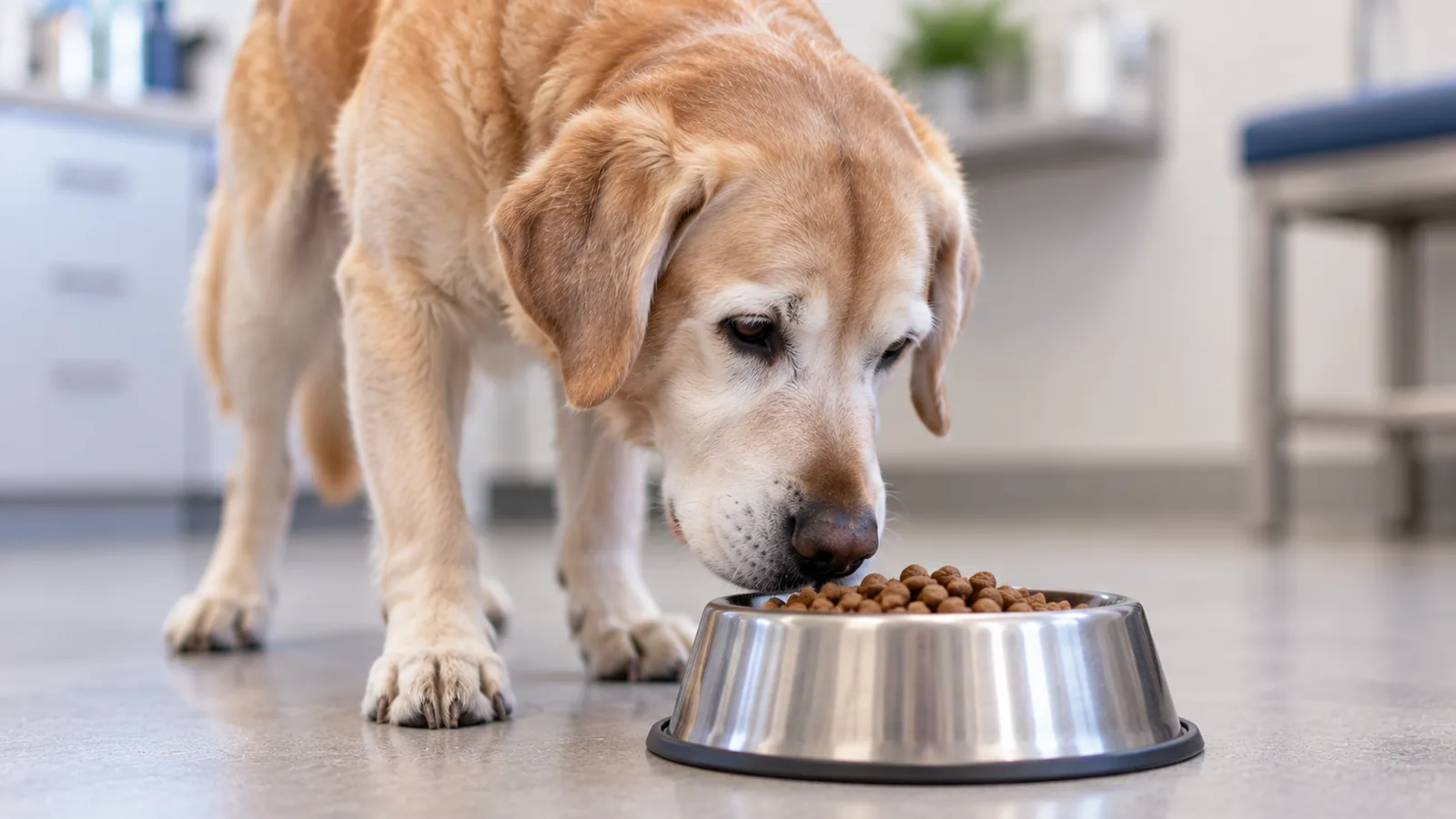
A hospice pet's appetite and comfort usually rise and fall together, which is why the tools that help reach well past finding a food they might like. Appetite stimulants, anti-nausea medication, pain relief, and changes to how and when meals are offered each have a role, and the right choice depends on what is behind the loss of interest. A sudden refusal to eat can also mean the disease itself has shifted, so it is worth telling your veterinary team rather than only changing the menu. The aim is never to force calories, but to help your pet feel well enough to enjoy a meal and the ordinary comforts of a good day.
Hospice, palliative, and end-of-life care is the whole of what we do at Mobile Cat & Dog Vet, in homes across Bend and the surrounding Central Oregon communities. Coming to you means we can see how your pet is really doing, in the room where they rest and at the bowl they eat from, and shape in-home palliative and hospice care around appetite, nausea, pain, and the good days you still have together. Watching a pet you love turn away from food is one of the heaviest parts of this stretch, and you should not have to work out what to try next on your own. If mealtimes have become a worry, let us help you build a comfort plan.
When a Pet Stops Wanting Dinner
- Appetite stimulants work best alongside treatment for whatever dulled the appetite in the first place, not as a standalone fix.
- Nausea is easy to miss in dogs and cats and often looks like plain pickiness. Easing it sometimes brings back an appetite all by itself.
- How food gets offered can matter as much as what's in the dish, since warmth, portion size, and a hand instead of a bowl all change whether a pet engages.
- Comfort near the end of life reaches past food, since pain control, hydration, mobility, and the shape of an ordinary day all belong in in-home senior care.
Why Do Appetite and Nausea Matter So Much Near the End of Life?
Appetite and nausea sit close to the center of how a pet feels from one day to the next. A dog or cat who's queasy is uncomfortable in a way medication can often ease, and one who's interested in dinner usually has energy left over for the other small pleasures of the day.
A slow fade over several weeks tends to track with the illness your regular veterinarian has already named. A hard stop is different. When your pet eats breakfast on Tuesday and won't touch anything on Wednesday, that's information, and it's worth telling us about instead of working your way through the pantry alone. Cats especially should be watched more closely; skipping meals for 24 hours can trigger a disease called hepatic lipidosis, especially in overweight cats, which can become fatal if not handled promptly. If mealtimes have changed quickly, reach out to us and we'll help sort out what's driving it.
Why Does a Hospice Pet Stop Eating?
Loss of interest in food nearly always has something underneath it, and naming that thing shapes what helps. Nausea, pain, stress, sore teeth, medication side effects, and a dulled sense of smell all sit behind a cat or dog who stops eating, and the reason matters, because the answer to nausea isn't the answer to a nose that no longer picks up dinner.
| What's behind it | What you might notice | What often helps |
| Nausea | Lip-licking, drooling, swallowing hard, approaching the dish and turning away | Anti-nausea medication, sometimes a stomach protectant |
| Pain | Eating standing up, dropping food, stiffness, restless nights | Pain control adjusted as needs change |
| The illness itself | A gradual fade in interest as the disease progresses | Symptom-by-symptom comfort care and a look at goals |
| Medication side effects | Appetite drops after a new prescription or a dose change | A review of the list, different timing, or a swap |
| Dental and mouth pain | Chewing on one side, pawing at the face, a strong odor | Softer textures, pain relief, a careful look in the mouth |
| A dulled nose | Sniffing, then leaving; interest only in pungent food | Warming meals, stronger aromas, hand-feeding |
| Stress and surroundings | Eating less when the house is busy, or only after dark | A quiet corner, a familiar dish, fewer interruptions |
We don't run diagnostics on the road, and most of the time we don't need to in order to help. Our team reviews your pet's history, medications, and home setup, which usually points at the likeliest cause, and when something needs testing, we can coordinate with the veterinarian who already knows your pet's case.
What Do Appetite Stimulants Do for a Pet Who Won't Eat?
Appetite stimulants for dogs are prescription medications that nudge a pet's interest in food back toward normal. Cats have their own options, and the right pick depends on the pet, the illness, and everything else they're already taking. Appetite stimulants for cats come in oral and transdermal forms, and the transdermal ones are rubbed into the thin skin inside the ear, which spares a cat who has run out of patience for pills or can’t keep down anything given orally.
A stimulant on its own can backfire. If nausea or mouth pain is the real problem, waking up the hunger drive without treating the discomfort just leaves a pet wanting food they still feel too rotten to eat. That's why we look at the whole picture before reaching for one, and why we check in after starting to see whether it earned its place.
Can Anti-Nausea Medication Bring Back an Appetite?
Anti-nausea medication frequently restores some interest in food on its own, since an upset stomach is one of the most under-recognized sources of discomfort in an aging or ill pet. Liver, pancreatic, stomach, intestinal, gall bladder, and kidney disease are among the most common causes, but any cancer or neurologic problem can also cause an upset stomach. Sometimes even the medications used to treat those diseases cause the upset. Nausea and inappetence in kidney disease travel together so reliably that treating the queasiness often brings a pet back to the dish, with no change to the food at all.
Pets rarely look nauseated the way people do. Watch instead for repeated swallowing, lip-licking, drooling, grass-eating in dogs, or a cat who sits in front of dinner and stares at it. Anti-reflux and stomach-protecting medications belong in the same family of tools, and which one fits depends on the condition your regular veterinarian has already diagnosed. Nausea control is usually the first thing we adjust in an in-home comfort plan for an aging pet, because it's the change families notice fastest.
How Do You Tempt a Pet Who Has Stopped Eating?
Tempting a picky pet to eat usually comes down to warming the food until the aroma lifts, offering it by hand, and putting down small amounts more often instead of a full bowl that sits untouched. Those changes cost nothing, and they often work when a new bag of food doesn't. Changing flavors can also help; when they ate the salmon and felt nausea afterward, they’ll avoid it, and a swap to tuna or beef might be all you need.
Nutritional support for a seriously ill pet is less about hitting a calorie target than about slowing the muscle loss that makes a pet feel weak. The food a pet will actually eat beats the food they should eat.
- Strong smells win: Tuna, sardines, rotisserie chicken, and low-sodium broth poured over kibble reach a nose that's lost some range. Baby food without onion or garlic is another reliable one.
- Texture matters: Pate suits a cat with sore teeth better than chunks, and softened or gently mashed food asks less of a tired jaw.
- Where and how: A quiet corner away from other pets helps, and a flat plate spares a cat's whiskers where a deep bowl doesn't. Raising the dish takes strain off a stiff neck.
- Who feeds: Many pets will eat much more readily from your hand than from a bowl.
- Timing: Offer food during the brightest part of your pet's day, and ask us how to line meals up with pain and nausea medication.
- Let the rules relax: If your pet is on a medical diet, check with us first, but near the end of life the food they'll enjoy usually matters more than the food on the label.
Don't push food into your pet's mouth with a syringe unless we've shown you how. A dog or cat who's nauseated or weak can breathe it in, and that turns a hard week into a genuinely dangerous one.
When Is a Feeding Tube a Comfort Measure, Not an Aggressive One?
For some pets a feeding tube eases daily life rather than escalating care, because food, water, and medication go in without the wrestling match at every dose. That's a real gift for a cat who has started hiding when they hear a pill bottle.
Feeding tube care at home is simpler than most families picture: a few minutes of syringing food, water, and medications through a soft tube, with a soft cloth collar keeping the site clean and out of the way.
Placement happens at a full-service hospital under sedation. Prognosis and how your pet handles anesthesia both weigh into it. When the horizon is days rather than weeks, it's usually not the kind choice. When a pet has months of reasonable comfort ahead and the daily medication battle is what's wearing everyone down, it can hand a family back their evenings. It isn't right for every pet, and the choice belongs inside a conversation about goals.
What Other Comfort Tools Help a Pet in Hospice?
Palliative care for pets means pain control, hydration, nausea relief, mobility help, and the shape of an ordinary day at home. When a pet is in pain and has to travel across the room to eat, it becomes too much work. Control the pain and make food easily accessible, and snacking becomes easier. Food is only one piece of a much wider picture.
Soft bedding, rugs across slick floors, water and a litter box within a few steps, and a quiet spot away from the door are small changes that carry real weight in end-of-life care.
| Comfort area | What it can look like at home |
| Pain control | Medication adjusted as needs change, and rest that doesn't require stairs |
| Nausea and appetite | Anti-nausea medication, stimulants, and meals built around the better hours |
| Hydration | Fluids given under the skin when drinking drops off, plus wet food and water within reach |
| Mobility | A sling for a weak back end, nails kept short, help getting outside |
| Rest and routine | Predictable days, gentle handling, unhurried time with their people |
| Support for the family | Someone to call on a confusing afternoon, and help thinking through what comes next |
Coming to the house is what makes this specific. We see the hallway your dog hesitates in and the sunny spot your cat has claimed. That means in-home hospice and comfort care gets built around the rooms your pet actually lives in.
How Do You Know If Your Pet Is Still Having Good Days?
A quality of life scale scores what you can watch happen: pain, appetite, hydration, hygiene, happiness, mobility, and whether the good days still outnumber the hard ones. Scoring the same handful of markers every few days gives a family something steadier than a gut feeling on a bad afternoon. A simple calendar works too, with a mark for a good day and a different one for a hard day.
When appetite, mobility, and interest in the family all slide together, and comfort stops holding even with the tools working as they should, it's fair and loving to say so out loud. That's a conversation we have with families often, and it includes what gentle euthanasia at home looks like when the time comes. That way nobody is deciding in the dark.
Questions Families Ask Us About Feeding a Pet in Hospice
My dog stopped eating overnight. Is that different from slowly losing interest?
A sudden, complete refusal usually does mean something different. A gradual fade over weeks tends to follow the illness itself, while an overnight stop more often points to nausea, pain, or a shift in the underlying disease. Tell us what changed and when, along with anything else you've noticed, such as vomiting, hiding, or trouble settling. The fix is frequently a medication adjustment rather than anything to do with the menu.
Can I give my cat something from my own medicine cabinet for nausea?
Don't give your cat human medication without talking to us first. Several common human anti-nausea, heartburn, and appetite medications are toxic to cats and dogs, and the ones that aren't outright dangerous still can't be scaled down from a human tablet by guesswork, because pets metabolize these drugs differently and a fraction of a pill can be far too much. Call us with the name of anything you're considering and we'll tell you whether it has a place.
What if my pet won't eat and I think we're getting close to the end?
Appetite often fades in the final days, and that's part of the process rather than something you failed to prevent. At that point the goal shifts fully to comfort: warmth, quiet, pain and nausea kept in check, and your company. Forcing food rarely helps and sometimes adds distress.
Caring for Your Pet's Comfort in Their Last Chapter
When a dog turns away from a bowl they used to empty in eight seconds, or a cat loses interest in the breakfast they once demanded, there's almost always a reason worth chasing down. Mobile Cat & Dog Vet works with families all over Bend and Central Oregon to figure out what's behind the change and what's most likely to help, whether that's a medication, a different way of offering meals, or permission to let your pet eat whatever they love. When comfort can no longer be held, we're here for in-home euthanasia too. Until then, we'd be glad to schedule an in-home visit and build a plan around the days you have.